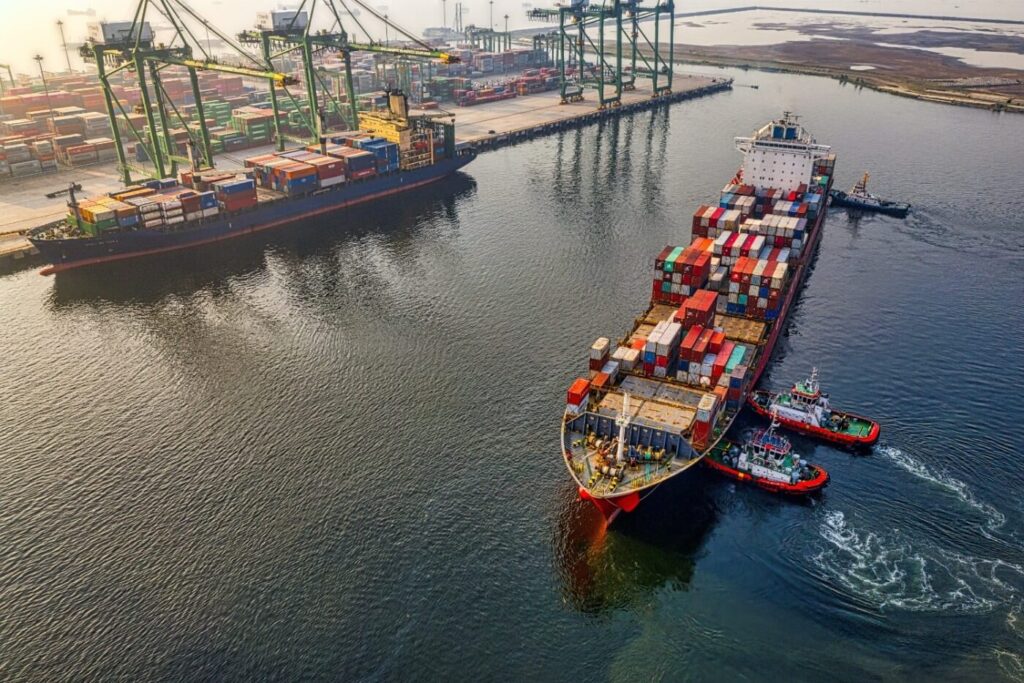
In today’s globalized economy, procurement is an indispensable part of every company. However, many companies struggle to make their procurement processes efficient and cost-effective. This is where Enterprise Resource Planning (ERP) comes into play.
ERP systems offer a wide range of functions that can automate and optimize the purchasing process. From supplier management to order processing, ERP systems can help simplify and streamline the procurement process. Here, we will delve into the role of ERP systems in procurement and examine how they can help companies improve their purchasing processes and become more competitive.
What is the difference between purchasing and procurement?
The terms “purchasing” and “procurement” are often used interchangeably, but there is a subtle difference between the two. While purchasing focuses on the process of acquiring goods or services, procurement focuses on the entire process chain – from planning and sourcing to delivery.
In other words, purchasing is a sub-process of procurement. Procurement, on the other hand, encompasses the entire materials management process – from determining requirements, through the selection and evaluation of suppliers, to monitoring deliveries and handling complaints. Purchasing is therefore an important component of procurement that focuses on the actual ordering of goods or services.
A good ERP system in purchasing can help to optimize and simplify both purchasing and procurement by ensuring seamless integration of all relevant processes.
Operational and strategic purchasing

Purchasing can be divided into two categories: operational and strategic. Operational purchasing focuses on the day-to-day needs for goods and services, while strategic purchasing makes long-term decisions to achieve business objectives. Operational purchasing is responsible for procuring standard products and ensuring that daily needs for materials and services are met. The strategic purchasing department conducts analyses and evaluations to identify the best suppliers and negotiates contracts that guarantee long-term quality and delivery reliability.
A good ERP system supports both operational and strategic procurement by providing a central platform where all relevant data and information can be captured and accessed. It also offers greater transparency and control over the supply chain, enabling procurement to better plan and decide which products to source from which suppliers. With a powerful ERP system in procurement, companies can thus optimize both their daily purchasing processes and their long-term procurement strategy.
What is an ERP system?
An ERP system is not simply software, but rather a comprehensive solution for managing business processes. It integrates and automates all business areas, such as finance, production, and sales, within a central database, thus ensuring seamless communication between departments. An ERP system is therefore the heart of a company, bringing together and coordinating the various business units.
It enables employees to access the information they need quickly and easily, thus contributing significantly to efficient and transparent business processes. An ERP system is therefore a valuable tool for any company operating in an increasingly complex and dynamic market environment and seeking a competitive edge.

What is the purpose of an ERP system in purchasing?
An ERP system in purchasing primarily serves to optimize and simplify a company’s procurement processes. By automating recurring tasks such as order processing, supplier management, and invoicing, purchasing managers can save time and resources and focus on more important tasks. ERP systems also provide a central platform where purchasing managers can manage and access all relevant information, such as orders, inventory data, and supplier relationships. This improves collaboration between different departments within the company and creates a more transparent and efficient supply chain.
Another advantage of ERP systems in procurement is their ability to provide purchasing managers with real-time updates on the status of orders, deliveries, and invoices. This allows them to quickly address delays or issues and optimize the supply chain to prevent bottlenecks and delays. Overall, an ERP system in procurement contributes to increasing the efficiency and productivity of the purchasing process and makes the company more competitive.
The advantages of an ERP system in purchasing
An ERP system can make many purchasing processes more efficient and transparent. Here are some examples of processes where an ERP system can be beneficial in purchasing:
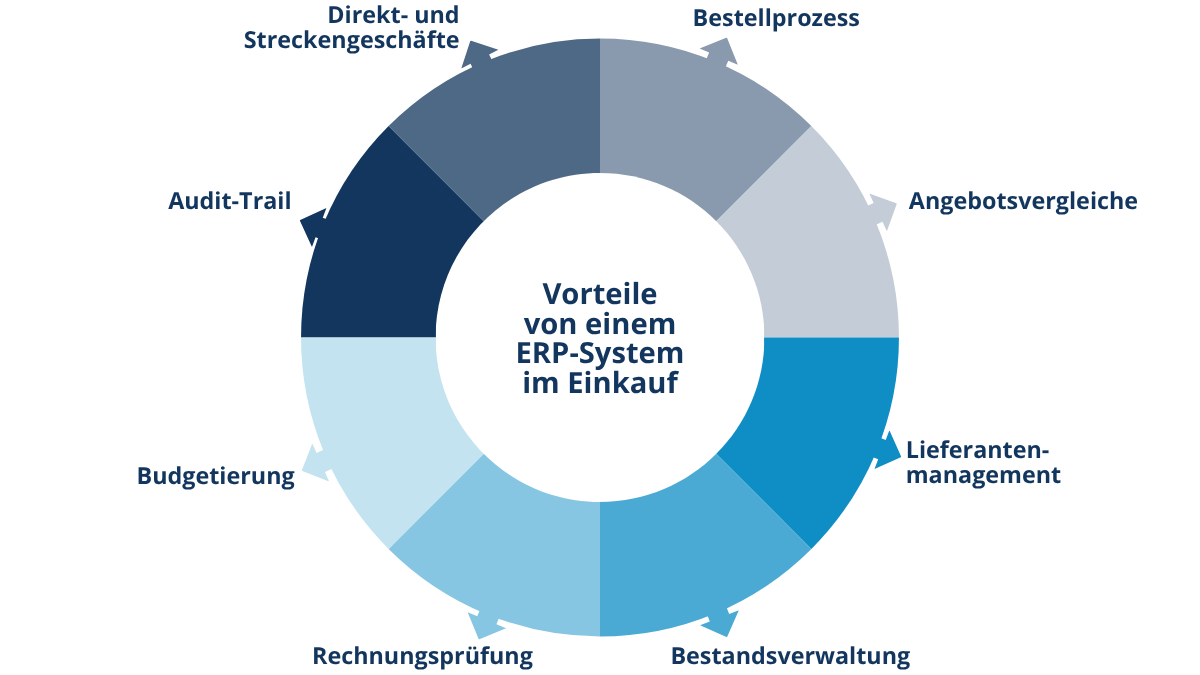
Ordering process
Using an ERP system makes creating, processing, and monitoring orders quick and easy. Employees have access to all relevant information such as prices, delivery dates, quantities, and suppliers, leading to greater efficiency in order processing.
Offer comparisons
The ERP system can automatically compare offers from different suppliers and recommend the best supplier for a specific order. This saves time and reduces the effort required to manually compare different offers.
Suppliers- management
An ERP system enables the centralized and structured management of supplier information. Information such as contact details, delivery dates, prices, and delivery quality can be easily viewed and managed, leading to better collaboration with suppliers.
Inventory management
Using the ERP system enables effective inventory management, as the system monitors stock levels, reorders, and storage costs. Employees have a quick overview of which items are in stock and which need to be reordered.
Audit
An ERP system can automatically check invoices for accuracy and completeness. For example, the system can compare invoices with purchase orders to ensure that the delivered quantity and price match the order.
budgeting
Using an ERP system enables efficient budget planning and control. Employees can create budgets, reconcile orders against budgets, and identify budget deviations in real time. This allows for better control over company spending.
Audit trail
Using an ERP system can log the entire purchasing process and create a comprehensive audit trail. This can help clarify responsibilities and identify potential problems in order processing. Clear documentation of the purchasing process can contribute to implementing process improvements and increasing transparency in procurement.
Direct and drop shipments
ERP systems can support the procurement of goods and services in both direct and drop-shipping transactions. In direct transactions, the goods are delivered directly from the supplier to the buyer, while in
Overall, an ERP system offers many advantages in purchasing that can contribute to more efficient and transparent procurement.
Conclusion
In summary, an ERP system offers numerous advantages in procurement. Companies can streamline their processes, reduce costs, improve data quality, and optimize their supplier relationships. Furthermore, by integrating procurement and finance processes, companies can relieve the burden on their finance department and meet compliance requirements. However, implementing an ERP system requires careful planning and preparation.
It is important to define your own requirements and goals in the purchasing department and adapt the ERP system accordingly. Furthermore, companies should ensure that the ERP system is accepted by employees and that training is offered. With the right preparation and implementation, however, an ERP system in purchasing can become a key success factor for companies.